Site in beta
Modi-In
Service

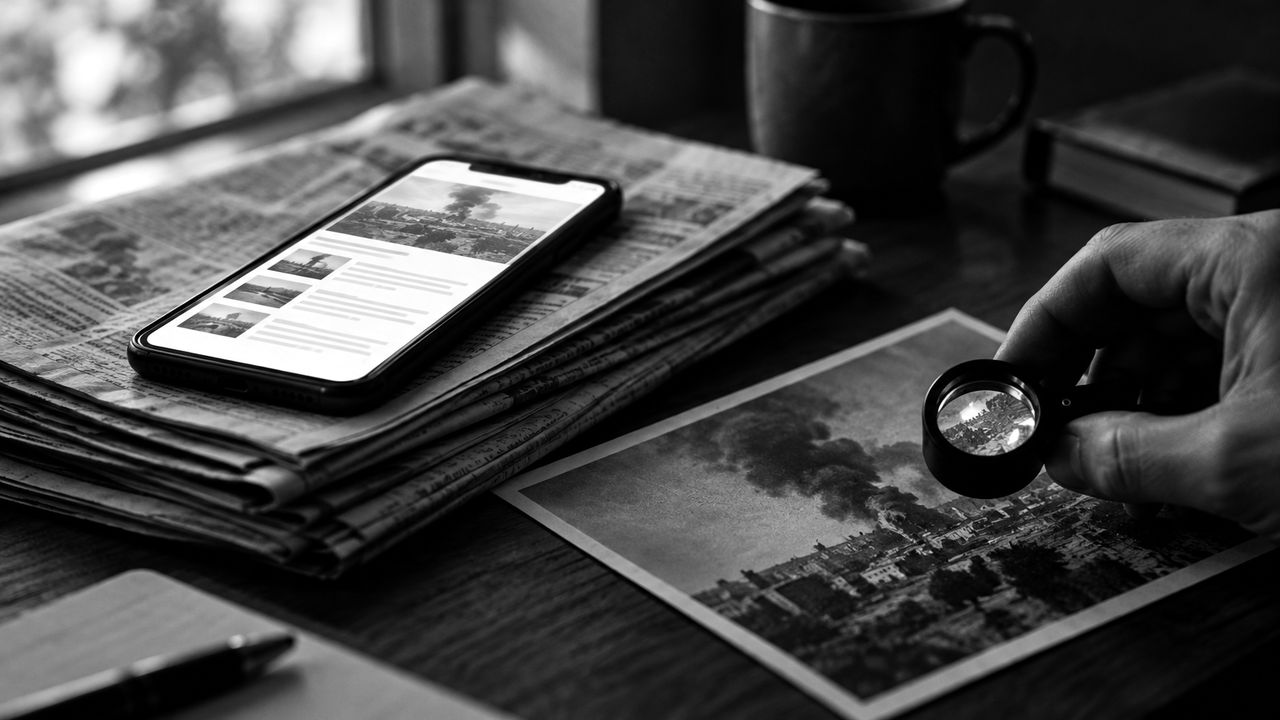
Verification and fake news detection

Is the report true, who published it first, and when. Before you decide, or before you publish.

Is the story true, who published it, and when.

Verifying reports, images and do…Tracing the original sourceSeparating facts from assessments
About this service

Verification & fake-news detection

A report circulating online, an image shared in groups or a document arriving without a source can lead to a wrong decision. Sometimes they are genuine, sometimes edited, and sometimes taken out of context.

I check the item against open sources, find the original source and the time of publication, and separate what can be established as fact from what remains an assessment.

The deliverable is a clear answer, with how I reached it, so you can decide whether to rely on the information.

When you need it

When clients come to me

  • Before deciding on a report of unclear origin
  • When an image or document looks suspicious
  • When you need to know who published first, and when
  • Before responding publicly to a publication
What I check

What the research covers

Report verification

Whether a report is true, by independent sources.

Images and documents

Whether an item is original, edited or out of context.

The original source

Who published first, and when.

Facts vs. assessments

What is established and what remains an assessment.

Timeline

The order of publications, and how the report spread.

Example questions

Questions you can ask

No identifying details, like every example on this site.

  • “Is the report circulating online about the company true, and who published it first?”
  • “Is the image being shared original, or was it taken at another place and time?”
  • “What in the publication is fact, and what is assessment?”
How it works

From information to intelligence, in four steps

  1. 01

    Define the question

    What exactly do you need to know, and for which decision?

  2. 02

    Collect and analyze

    I gather from every relevant open source, filter out the noise and cross-check the findings.

  3. 03

    The deliverable

    A business intelligence report, an intelligence picture or a direct answer, with conclusions and recommendations.

  4. 04

    You decide

    You act on a clear, verified picture.

FAQ

Frequently asked questions

Didn’t find your answer? Send me a question on WhatsApp and I’ll get back to you.

All FAQs
How long does verification take?

It depends on the item and the sources. In our first conversation we’ll define exactly what needs checking.

Can you check images and videos too?

Yes. I check whether the item is original, when and where it was first published, and whether it was taken out of context.

What’s the difference between a fact and an assessment?

A fact can be established in sources. An assessment is an interpretation of them. In my research every finding is marked as one or the other.

Glossary

Business intelligence glossary

Core concepts, in brief

Verification

Fact-checking

Checking whether a report, image or document can be trusted: what the original source is, when it was published, and who else is reporting it. That is how you tell real news from fake news.

How to verify information

Facts vs. assessments

Analytic thinking

A ground rule of intelligence analysis: separate what is known from what is estimated, and go back to the original raw data when an old assessment starts behaving like a fact.

Nine tools from intelligence

Open-source intelligence

OSINT · Core concept

Collecting and analyzing information that has been published openly and legally: media, social networks, websites and official publications. The value is never in a single piece of information, but in cross-checking many of them.

What is OSINT

Intelligence picture

Deliverable

The output of the research: a structured summary of what was found, what it means and what I recommend. Built so you can make a decision on it.

How an intelligence picture is built
Your turn

Have a question that needs an answer?

Send it on WhatsApp, by phone or by email, and I’ll get back to you to define the research question together.